5 Steps to Breaking Your «After Work Drink» Habit

Clinical evidence suggests that the most common causes of relapse during this stage are neglecting self-care or not attending self-help groups. During the repair stage, taking care of yourself https://ecosoberhouse.com/ is paramount. The mental challenge of this stage is not to let anything make you feel defeated. If your dependency is severe, you may need to go to a hospital or clinic to detox.
Take some time to explore your relationship with alcohol
During this stage, most people focus their energy on coping with cravings and resisting the urge to drink. According to the National Institute on Alcohol Abuse and Alcoholism (NIAAA), recovery is a process that involves remission from AUD and quitting heavy drinking for good. If you think you may have a drinking problem, you’re definitely not alone.
Space for footballers to talk about mental health
This stage typically starts 3–5 years after you’ve stopped drinking. People often need to address past trauma or familial issues during this time. Withdrawal and detox are first steps, but further treatment and support is usually needed for long term sobriety. The most affected group for alcohol dependence is people in their 40s, 50s and 60s who have had several decades of drinking to build tolerance and dependence.
This manager won’t hire anyone who fails his ‘coffee cup test’
The pleasant euphoria you experience when drinking becomes a reward, one that reinforces your desire to drink in certain situations. You might eventually start craving that reward in new situations. Once you’ve cut back on your drinking (so you’re at or below the recommended guidelines), examine your drinking habits regularly to see if you’re maintaining this drinking after work level of drinking. Some people attain their goal only to find that old habits crop up again later. One thing that many listeners who’ve tried a dry January — or any break from alcohol — told us is that their friends didn’t really «get it.» «Why, why, why,» people told us they were asked. Think about what’s motivating you to take a break from alcohol.
- But somewhere past a few drinks, treating stress with alcohol does become detrimental.
- You may also consider joining an online support group to help you feel less alone.
- Turner notes the importance of bringing along a trusted support person when attending events that involve alcohol.
- If a friend isn’t supportive, it may be time to assess that friendship.
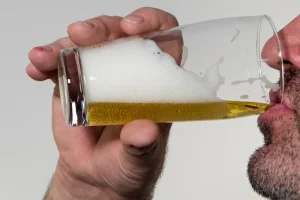
When stuff hits the fan at work, my automatic reaction is to first take to my group chat, complain to whoever will listen and start making happy hour plans. Both of those options were off the table when a last-minute deadline sprung up on me during the first week of clean eating and sobriety. «I need a drink» has been my auto-reply to virtually all stressful occurrences in my day-to-day life for about as long as I’ve been an adult. If you’re having trouble doing the same things you used to do, try new hobbies to fill your time.
- Engaging in physical activities, individually or in a group setting, can be a suitable distraction.
- While some options are best for those with underlying mental health disorders, others will be better for those who drink to manage life stress.
- Vowers says not drinking makes him feel more present — more grounded.
- Since alcohol leaves the bloodstream at about .02 blood alcohol content (BAC) per hour, this will most likely keep your BAC at a reasonably safe level.
- That’s why building your own recovery toolkit can make a difference in your ability to weather the most intense cravings.
What does drinking alcohol do to your body?
Assess your relationship with alcohol